
The Revolutionary Shift
With the recent release of iOS 26, we're witnessing the most dramatic design transformation since iOS 7's flat design revolution in 2013. Apple has orchestrated a masterful evolution from skeumorphism to neumorphism, and now to what they call "Liquid Glass UI" – a sophisticated glassmorphism approach that represents far more than mere aesthetic refinement. This shift reveals Apple's strategic genius in preparing for the spatial computing era.

Image courtesy of Webflow showcasing UI design trend evolution
"Apple's Liquid Glass design isn't just about beauty—it's about creating a unified design language that bridges the gap between our current 2D interfaces and the immersive 3D world of spatial computing."
The Strategic Genius Behind Liquid Glass Design
The genius lies in Apple's recognition that the future of computing is spatial. With Vision Pro already in the market and Apple Glass rumored to be in development, the Liquid Glass UI serves as a bridge between our current flat interfaces and the immersive, layered experiences of augmented reality. By training users to interact with floating, translucent elements now, Apple is preparing them for a world where digital objects exist in three-dimensional space.

Apple Vision Pro spatial interface design concept via Figma
Why This Design Evolution Matters
The shift to Liquid Glass UI represents Apple's most sophisticated design strategy yet. Unlike previous transitions that were primarily aesthetic, this evolution serves multiple strategic purposes:
Spatial Computing Preparation
The floating, translucent layers of glassmorphism mirror the depth and layering that users will experience in AR environments. By familiarizing users with these visual metaphors now, Apple reduces the cognitive load when they transition to spatial computing devices.
Unified Design Language
The Liquid Glass aesthetic creates consistency across Apple's ecosystem, from iPhone interfaces to Vision Pro's spatial environments. This unified language reduces user confusion and creates a seamless experience across all Apple devices.
Environmental Awareness
Glassmorphism's reliance on environmental context—reflections, transparency, and depth—prepares users for interfaces that respond to their physical surroundings, a crucial element of AR experiences.
The Return to 3D Design
My prediction for the industry is clear: we're witnessing the beginning of a renaissance in 3D design. After over a decade of flat design dominance, companies will begin embracing depth, layering, and spatial relationships in their interfaces. This isn't a regression to the skeumorphic past—it's an evolution toward interfaces that mirror our three-dimensional reality.
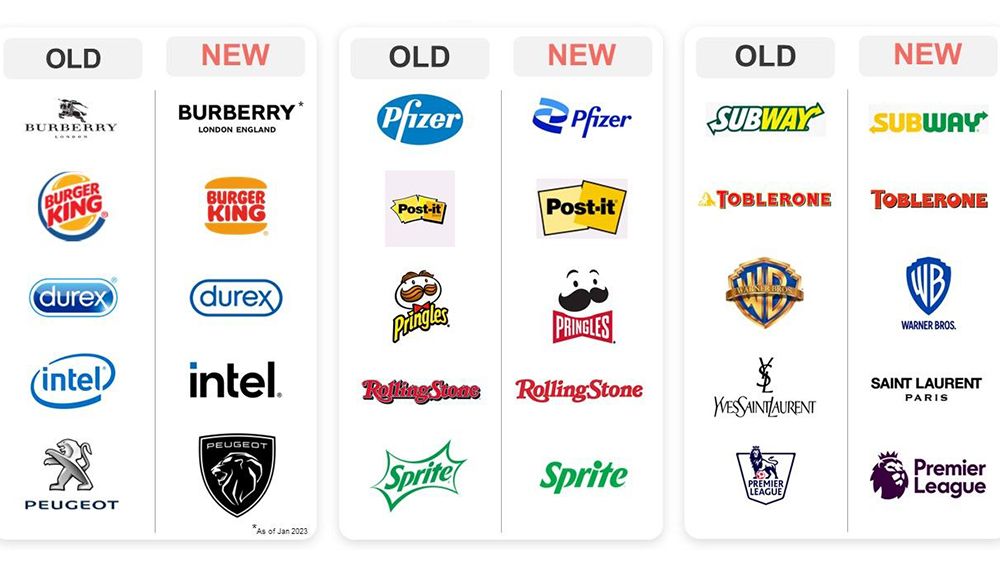
3D design renaissance concept via Future Publishing
Apple's Liquid Glass UI serves as the blueprint for this transition. The surreal, animated layers of glass that float over content create a sense of depth and hierarchy that flat design simply cannot achieve. As spatial computing becomes mainstream, this approach will become the standard, not the exception.
The companies that recognize this shift early will have a significant competitive advantage. Those that continue clinging to flat design will find themselves outdated as users become accustomed to the richness and depth of glassmorphic interfaces.
The Technical Mastery
Apple's implementation of glassmorphism isn't just visually impressive—it's technically sophisticated. The realistic layering, environmental awareness, and strategic use of tinted glass require advanced rendering capabilities and careful attention to performance. This technical complexity serves as a moat, making it difficult for competitors to replicate Apple's design language effectively.
The Battery Consumption Reality
After extensive experience with iOS 26 Developer Beta, I cannot ignore the significant battery consumption that accompanies this Liquid Glass aesthetic. The technical reason becomes clear when analyzing the real-time rendering requirements: iOS 26 continuously adjusts light direction and shadow calculations, while glass elements dynamically change their background depth on every swipe interaction. This creates a seamless drop-shadow effect that requires the background rendering engine to perpetually recalculate environmental lighting conditions.
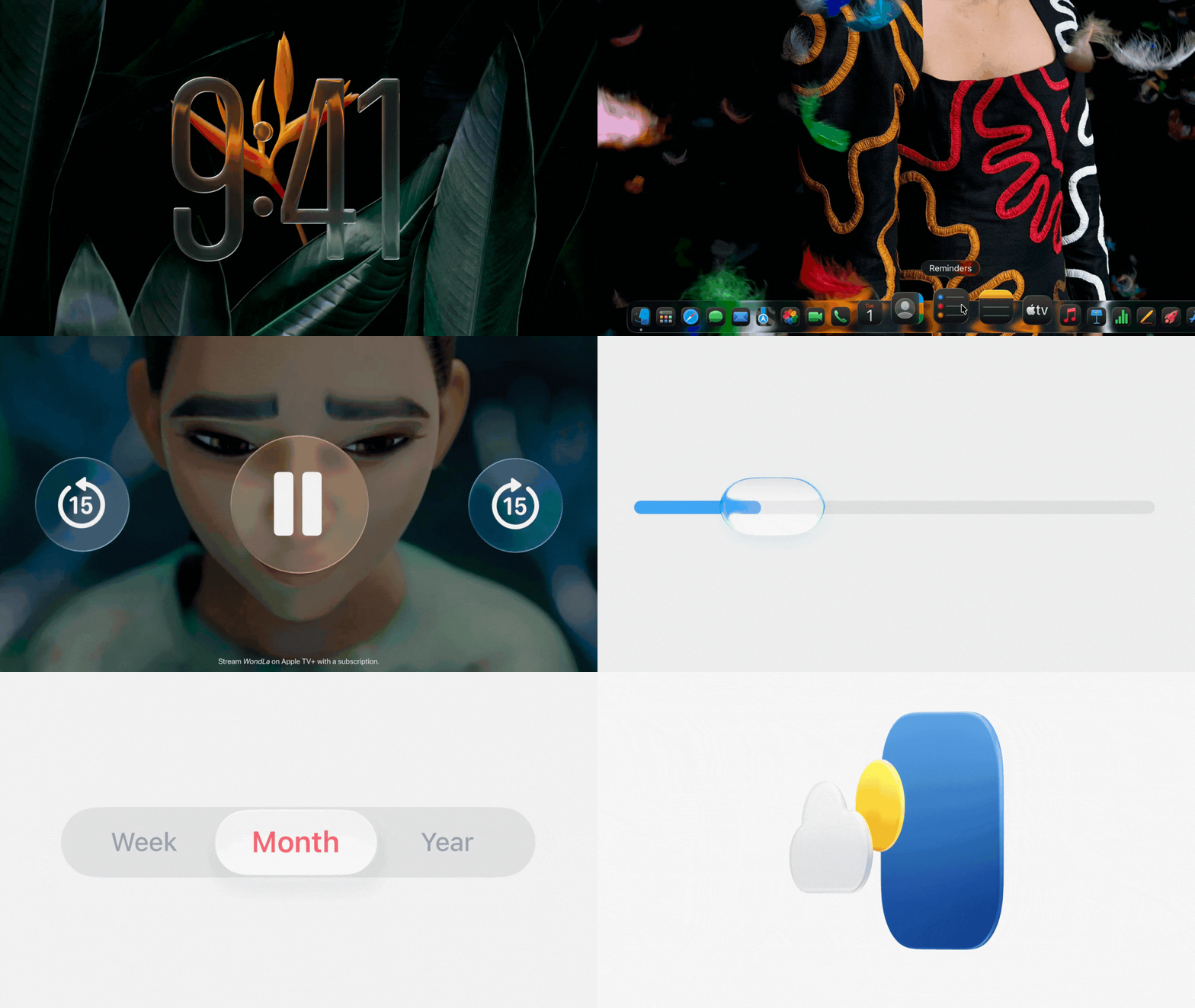
Source: Medium
Initially, I hypothesized that the system was running a continuous loop—essentially Big O(n) complexity—which would explain the battery drain. However, this assumption would imply the phone would deplete its battery rapidly, which doesn't align with real-world usage patterns. Upon deeper technical scrutiny and observation, the actual implementation reveals a more sophisticated approach.
My understanding is that the system operates on isolated frame-based rendering rather than continuous loops. This means O(1) complexity per frame update, not O(n) continuous processing. The Liquid Glass effects are calculated only when needed; during user interactions, screen transitions, or when environmental conditions change; rather than running perpetually in the background.
This frame-based approach leverages Apple's Metal Performance Shaders and Core Animation frameworks, which are optimized for event-driven rendering. The system maintains a render tree that only updates specific layers when their properties change, rather than redrawing the entire interface continuously. This explains why battery consumption is significant but not catastrophic; the phone isn't running a perpetual loop, but rather executing computationally expensive rendering operations on-demand.
The Future Implications
Apple's glass design strategy extends far beyond current devices. The company is preparing for a future where digital and physical realities merge seamlessly. The Liquid Glass UI serves as a training ground for users, teaching them to interact with interfaces that exist in three-dimensional space.
As Apple Glass and other AR devices become mainstream, users will already be familiar with the visual metaphors and interaction patterns that Apple has been developing through their glassmorphic interfaces. This represents a masterclass in user experience design, preparing users for the future while delivering value in the present.
Apple's glass design evolution isn't just about creating beautiful interfaces; it's about building the foundation for the next computing paradigm. By mastering glassmorphism now, Apple ensures they'll lead the spatial computing revolution.
Conclusion: The Masterstroke
Apple's shift to glassmorphism represents one of the most sophisticated design strategies in technology history. It's not merely an aesthetic choice. It's a calculated preparation for the Spatial computing era. By introducing users to floating, translucent interfaces now, Apple is building the foundation for a future where digital and physical realities merge seamlessly.
The genius lies in the timing and execution. While competitors focus on incremental improvements to flat design, Apple is preparing users for a paradigm shift that will define the next decade of computing. The Liquid Glass UI serves as both a beautiful present experience and a training ground for the immersive future.
This isn't just design evolution—it's strategic foresight. Apple isn't following trends; they're creating the future. And in doing so, they're ensuring that when spatial computing becomes mainstream, users will already be fluent in Apple's design language. That's not just genius; that's mastery.